
Weight loss, negative credit medicine, health, or physical exercise, means a decrease in the total body weight, as a result of mean decrease of fluid, unwanted fat or adipose tissue or lean mass, namely bone nutrients, muscle, tendon, as well as other connective tissue. Weight loss either can occur unintentionally on account of malnourishment or even an underlying disease or arise from the conscious effort to further improve an actual or perceived overweight or obese state. "Unexplained" fat reduction that is not a result of reduction in calorific intake or exercises are called cachexia and will be a sign of a serious medical problem. Intentional weight reduction is commonly called slimming.Intentional weight-loss is the lack of total body weight as a result of efforts to boost fitness and health, as well as to change appearance through slimming. Weight loss in those that are overweight or obese is effective in reducing health risks, increase fitness, and might delay the beginning of diabetes. It could reduce pain and increase movement in people who have osteoarthritis on the knee. Weight loss can cause a cut in hypertension (blood pressure levels), however whether this reduces hypertension-related harm is unclear.Weight loss takes place when the body is expending more energy in work and metabolism compared to absorbing from food and other nutrients. It will then use stored reserves from fat or muscle, gradually leading to weight reduction. For athletes seeking to enhance performance as well as to meet required weight classification for participation in a very sport, it's not necessarily uncommon to get additional fat reduction even if these are already at their ideal body volume. Others might be driven to burn fat to achieve a physique they consider more inviting. However, being underweight is associated with health problems such as difficulty overcoming infection, osteoporosis, decreased muscle strength, trouble regulating temperature and even increased chance death.Low-calorie diets are also known as balanced percentage diets. Due to their minimal detrimental effects, these kind of diets are most frequently recommended by nutritionists. In addition to restricting calorie consumption, a structured diet also regulates macronutrient consumption. From the complete number of allotted daily calories, it is recommended that 55% should are derived from carbohydrates, 15% from protein, and 30% from fats without the need of more than 10% of total fat originating from saturated forms. For instance, an advised 1,200 calorie diet would supply about 660 calories from carbohydrates, 180 from protein, and 360 from fat. Some studies declare that increased usage of protein might help ease food cravings associated with reduced calorie intake by helping the feeling of satiety. Calorie restriction by doing this has many long-term benefits. After reaching the desired body volume, the calories consumed per day can be increased gradually, without exceeding 2,000 net (i.e. derived by subtracting calories burned by exercising from calories consumed). Combined with increased training, low-calorie diets are usually most effective long-term, unlike crash diets, that may achieve short-term results, at best. Physical activity could greatly improve the efficiency of your diet. The healthiest weight reduction regimen, therefore, is but one that consists of a comprehensive diet and moderate exercising.Weight gain has been linked to excessive usage of fats, (added) sugars, refined carbohydrates normally, and having a drink. Depression, stress or boredom could also contribute to weight increase, plus these cases, people are advised to find medical help. A 2010 study learned that dieters who got the whole night's sleep lost greater than twice as much fat as sleep-deprived dieters.Though hypothesized that supplementation of vitamin D will help, studies don't support this. The majority of dieters regain weight in the long run.According towards the Dietary Guidelines for Americans individuals who achieve and manage a healthy weight achieve this most successfully when you're careful to enjoy just enough calories to fulfill their needs, and being physically active. According towards the U.S. Food and Drug Administration (FDA), healthy individuals aiming to maintain how much should consume 2,000 calories (8.4 MJ) every day.
Related Images with Can I Lose Weight On 2000 Calories A Day coachingposts
Running For Beginners Running Workout Running For Weight
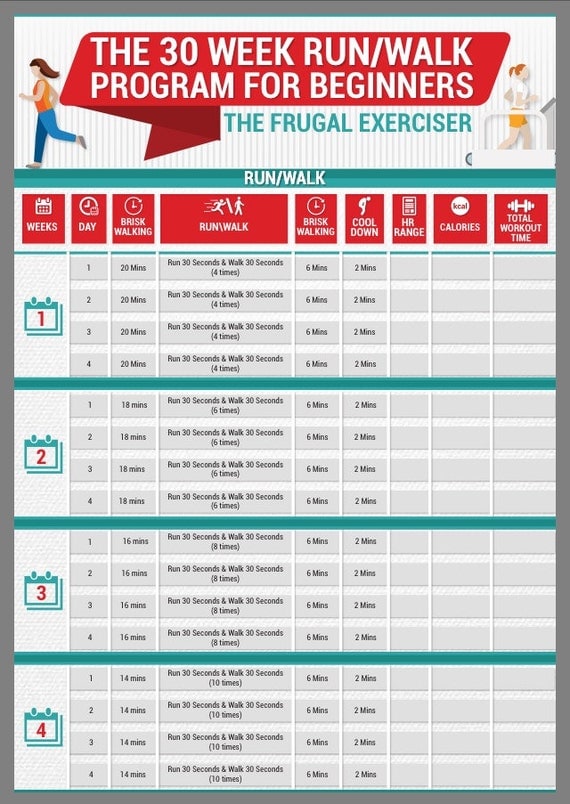
Free Running Programs To Lose Weight SARAH Smith

Komentar
Posting Komentar